
Tile flooring installation in Portland
Tile is the floor that outlasts everything else in the house, and it is the one where the prep underneath decides whether it lasts thirty years or cracks in three. We set porcelain, ceramic, natural stone, and large format tile over substrates flattened and prepared for it.
★ 5.0 on Google·300+ remodels·Family owned
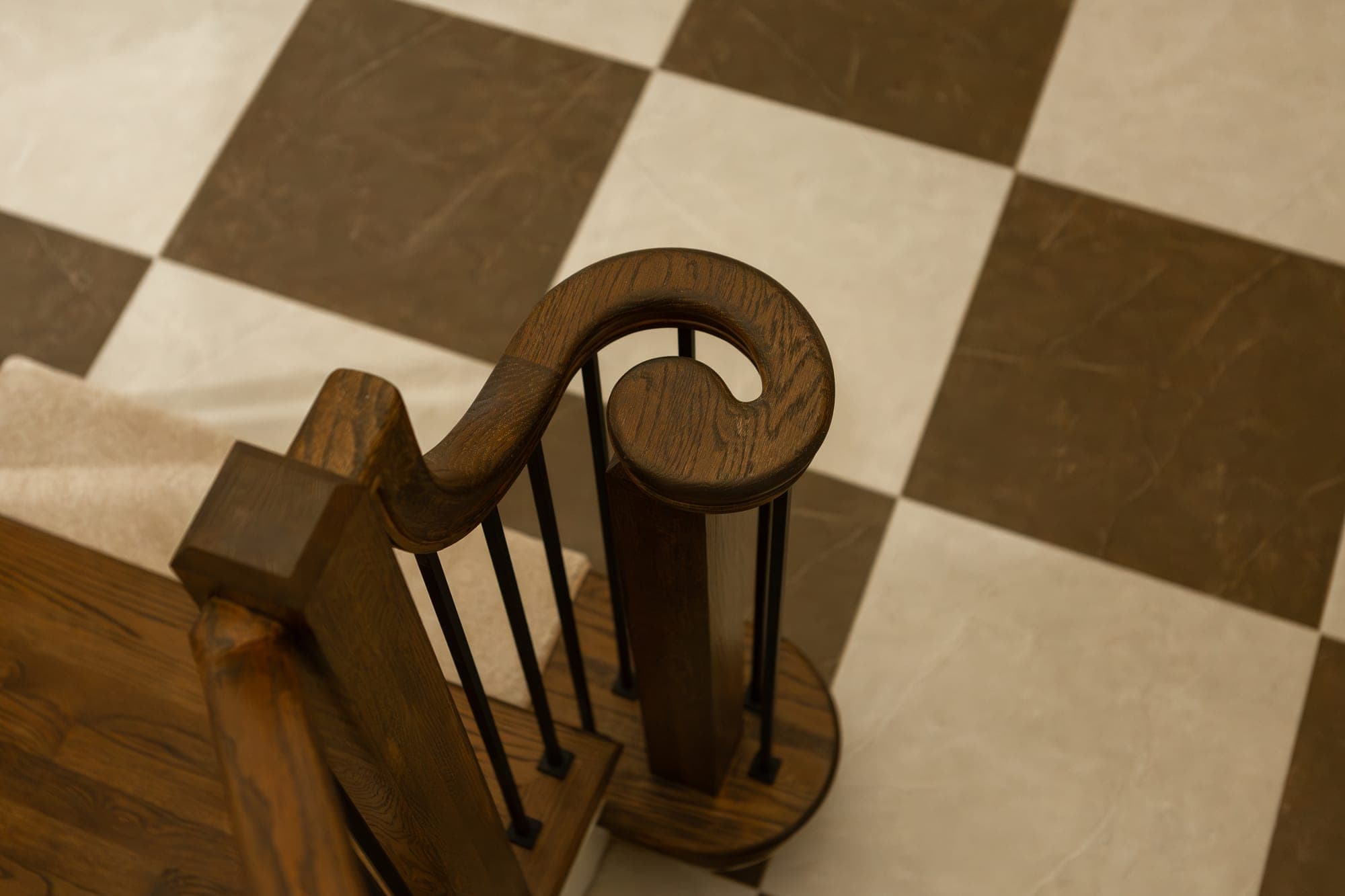
What goes under a tile floor?
Under the tile is what decides whether it lasts. A tile floor needs a substrate that is flat, stiff enough not to flex, and separated from the subfloor's movement, usually with an uncoupling membrane or backer board. Wood framed floors move with the seasons in Portland, and tile does not, so that layer is what keeps grout lines from cracking and tiles from coming loose.
Materials
Porcelain, ceramic, and natural stone floors
Porcelain for durability and water resistance, ceramic where budget matters, and natural stone, marble, travertine, and slate, where the material itself is the point. We help match the tile to the room, because a stone that is beautiful in an entry can be the wrong call in a kitchen.
Large format
Large format tile installation
Big tile is the least forgiving material we set. It needs a floor flat within tight tolerance, full mortar coverage under every piece, and precise lippage control at each edge, because any dip in the substrate shows up as a raised corner you feel with a bare foot.
The prep
Self leveling and uncoupling membranes
We self level low spots, fasten down movement, and set an uncoupling or waterproofing membrane where the floor calls for it. Skipping this step is the single most common reason tile floors fail, and it is invisible once the tile is down.
Heated floors
Heated tile floors
Electric floor heat installed under the tile in bathrooms and entryways, wired during rough in and controlled by a programmable thermostat. It is the upgrade people who have it never give up, and it costs far less to install during a remodel than to retrofit later.
FAQ
Tile flooring FAQs
Costs, timelines, and how the work is built.
How long does a tile floor last?
Properly installed, decades. Porcelain and stone outlast every other flooring material, and the tile itself rarely fails. What fails is the installation: cracked grout, loose tiles, and hollow spots almost always trace back to a substrate that flexed, was not flat, or never got an uncoupling layer.
Can you tile over an existing floor?
Sometimes, but it is usually the wrong call. Tiling over old vinyl or an existing tile floor raises the height at every doorway and inherits whatever problems are underneath. When the existing floor is sound, flat, and well bonded, it can work. We check with a straightedge and a moisture read before recommending it.
Is tile too cold for a Portland home?
It is colder underfoot than wood or plank, which is exactly why heated floors and tile go together so often here. Electric mats add modest cost during installation and change how a bathroom feels on a January morning. Without heat, area rugs handle it in most rooms.
What size grout lines should a tile floor have?
It depends on the tile. Rectified large format tile can run tight joints around one sixteenth of an inch, while handmade and natural stone need wider joints to absorb size variation between pieces. Grout color matters as much as width: matching it to the tile makes a floor read as one surface, contrasting it makes a pattern.
All details matter.
A bathroom or kitchen remodel is hundreds of small decisions. Which tile, where the layout gives and where it holds, what gets fixed once the wall is open. We work through them with you instead of guessing, and you hear from us at every step, not just when something goes wrong. That is what you are actually hiring: skilled trades who sweat the details and answer the phone. Tell us about your space and we will put a real number on it.